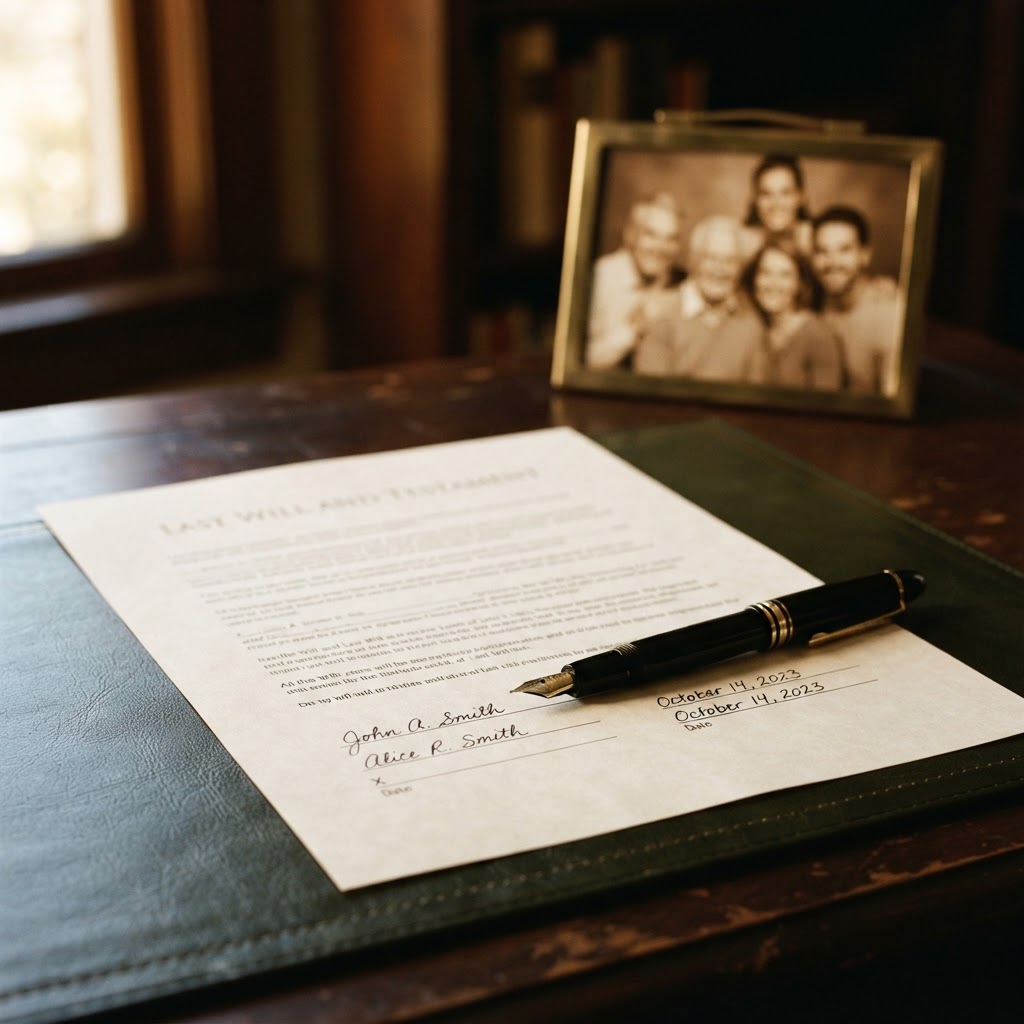
What Happens If You Die Without a Will in BC?
Dying without a valid will is called dying intestate. In this case, BC's Wills, Estates and Succession Act (WESA) determines who inherits your estate — and the result may be very different from your wishes.
Who Gets Your Assets?
Under WESA intestacy rules, assets are distributed in a specific order of priority. If you have a spouse and children, your spouse receives the household furnishings, a preferential share, and then splits the remaining estate with your children. Common-law partners of at least 2 years are treated the same as married spouses.
What Can a Will Include?
A properly drafted will can address:
- Distribution of specific assets to named beneficiaries
- Guardianship of minor children
- Charitable donations from your estate
- Funeral and burial wishes
- Trusts for beneficiaries who are minors or have special needs
Powers of Attorney and Representation Agreements
Estate planning is more than just a will. You should also consider:
- Enduring Power of Attorney: Authorizes someone to manage your finances if you become incapacitated
- Representation Agreement: Authorizes someone to make personal care and healthcare decisions on your behalf
When Should You Update Your Will?
Major life events that trigger an update include marriage or divorce, birth of children or grandchildren, significant changes in assets, and the death of a named beneficiary or executor.
Conclusion
Estate planning is one of the most important things you can do for your loved ones. Don't wait for the "right time" — start today with a consultation at Law Boutique.
This article is for informational purposes only and does not constitute legal advice.