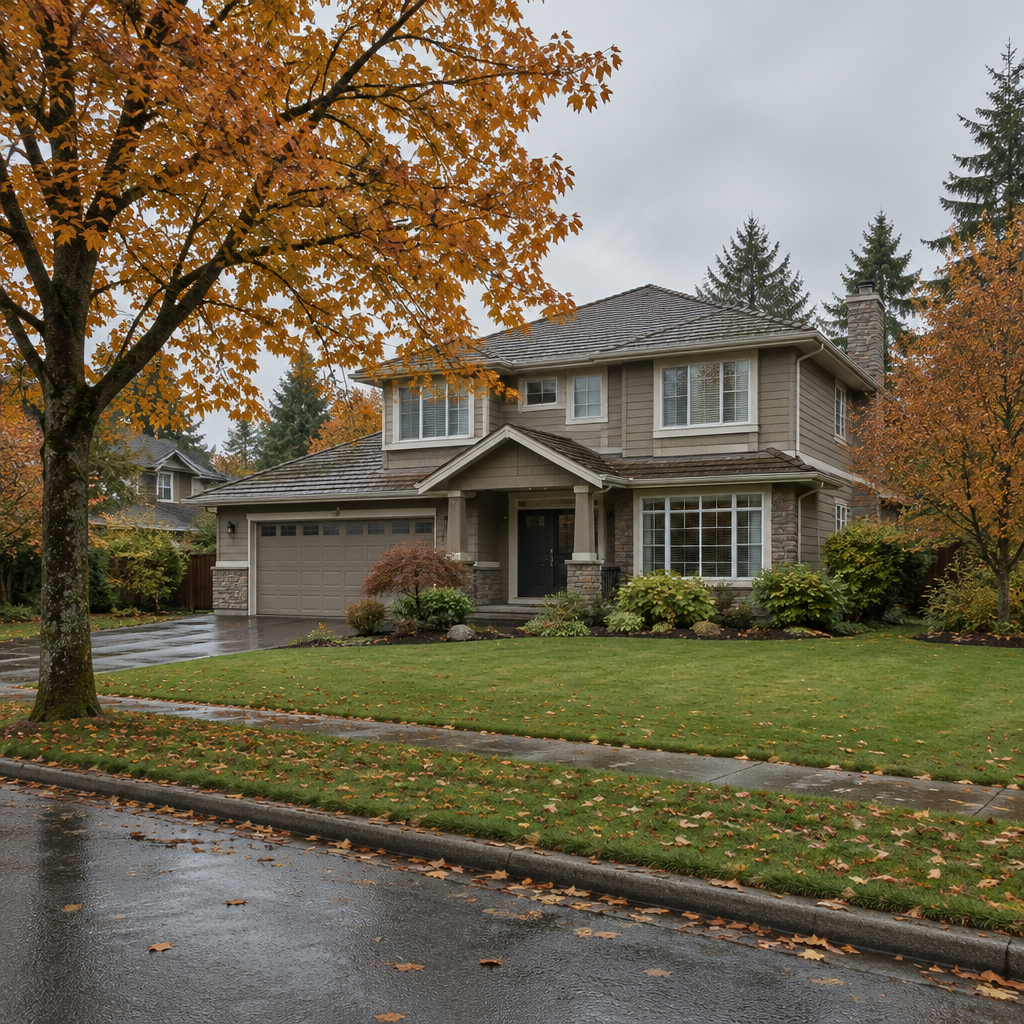
When a parent or a spouse dies owning a home, the house is usually the first thing the family thinks about. Can we sell it? Do we have to go through probate first? The answer turns on one detail: how the title was registered at the Land Title Office.
In our experience, this is also where families lose the most time. They list the property, accept an offer, and only then discover that the sale cannot complete until a grant of probate is issued. Knowing the answer before the listing goes live changes the whole timeline.
What probate actually is
Probate is the Supreme Court of British Columbia confirming two things: that the will is valid, and that the person named as executor has the authority to deal with the estate. It is a court process. It is not a tax, and it is not a title registration.
People often assume probate is optional paperwork that can be worked around with the right form. For a home registered in the deceased's name alone, it cannot. The Land Title Office will not register a transfer of that property without a representation grant, which means probate where there is a will, or letters of administration where there is none.
The short answer
If the home was in the deceased's sole name, you need a grant before the sale can complete. If it was held in joint tenancy with a surviving owner, or owned through a corporation or a trust, probate may not be required at all.
When you do not need probate to sell
Joint tenancy with right of survivorship
Where the home was held in joint tenancy, the deceased's interest passes to the surviving owner by survivorship. It does not fall into the estate. The survivor registers the death with the Land Title Office, supported by a death certificate, and title comes into their name alone. That property can then be sold without any grant.
There is a caveat worth knowing. If the joint tenancy was created shortly before death, or if the intention behind it is disputed, a family member can challenge the transfer and argue the property should have formed part of the estate. Severing a joint tenancy during a separation is another version of the same problem. Joint tenancy is a useful answer, but it is not automatic protection.
Property owned by a corporation
If the home is held by a company, what the estate owns is shares, not land. A sale may proceed as a share transfer, and probate may not be needed to deal with the real property itself. These files need corporate and tax guidance alongside the estate work, and they should be planned before anything is signed.
Property passing outside the estate
Some assets pass by beneficiary designation or by contract: registered plans, life insurance, accounts held jointly. Land is different. Unless title was held jointly, land passes under the will or under the intestacy rules, and the Land Title Office will want a grant.
When you do need probate
You will need a grant to transfer or sell the home where any of the following applies:
- The property was registered in the deceased's name alone.
- The property was held as tenants in common, so the deceased owned a defined share that now belongs to the estate.
- The will leaves the home to the estate, or the will is unclear about the property.
- There is no will at all, which means letters of administration rather than probate.
- The buyer's lender or title insurer requires confirmation of the executor's authority before advancing funds.
A will does not avoid probate. This is the single most common misunderstanding we deal with. A will decides who receives the property; probate is the process that gives someone the legal authority to transfer it. Writing a will and avoiding probate are two different objectives.
Can the executor sell before the grant arrives?
Yes, in practice. An executor can market the property, negotiate, and sign a contract of purchase and sale before the grant is issued. What usually cannot happen is completion, because the executor cannot transfer title without the grant in hand.
In practice we see two approaches. Some executors list immediately and write a completion date far enough out to absorb the probate timeline, or make the contract conditional on the grant. Others wait for the grant before listing, which avoids a nervous buyer and a renegotiation at the end. Both work. What does not work is listing with a normal completion date and hoping the court keeps pace.
If the estate is in a hurry, the probate application can be prepared early and filed as soon as the documents are ready. Delay usually comes from missing information: an incomplete will search, an unclear asset list, or an executor who lives out of province.
What the process looks like from listing to completion
- Confirm how title is registered. This single step decides whether a grant is needed.
- Prepare and file the probate application, with the will, the inventory of assets and liabilities, and the executor's documents.
- Obtain the grant of probate from the Supreme Court.
- Market the property, or continue marketing if the listing started earlier.
- On an accepted offer, clear the title, discharge existing mortgages, and prepare the transfer.
- Complete the sale, pay out the mortgage and the costs of the estate, and hold the balance for distribution.
How long it adds
In our experience in the Lower Mainland, three to six months from filing to grant is common, and longer where the will is unclear, an executor is disputed, or a beneficiary raises an objection. A property that can be sold without a grant may complete in the ordinary six to eight weeks. That difference is why we ask about title before anything else.
What it costs
There are two separate costs. Probate fees are set by the province and calculated on the value of the estate; we explain that schedule in our post on probate fees in British Columbia. Our own fee for a grant of probate or letters of administration is a flat $4,000 plus tax and disbursements. Contested estate work is billed at $400 per hour.
The real estate side is separate. A home sale handled by our conveyancing team is from $799 plus tax, or from $950 plus tax where there is a mortgage to discharge.
If there is no will
Without a will, the estate does not go to the government by default. It is distributed under the intestacy provisions of the Wills, Estates and Succession Act, usually to a spouse first and then to children. What changes is the paperwork: instead of probate, the court issues letters of administration, and the person applying is an administrator rather than an executor. The Land Title Office requirement is the same. We cover the distinction in probate versus administration without probate.
Planning ahead so your family is not caught
Most of the difficulty we see was avoidable with one conversation years earlier. There are three levers, and each has consequences.
Joint tenancy moves the property outside the estate, but it also gives up control, exposes the home to the other owner's creditors and family law claims, and can create an unintended result when a relationship ends. It should never be added to title as a shortcut without guidance.
Some BC estates use more than one will so that certain assets, such as shares of a private company, sit outside the probate application. It is a legitimate planning technique, not a default, and it has to be set up properly to work.
A trust can hold property outside the estate entirely. It is more expensive to establish and to run, and it suits a narrower set of circumstances than most people expect.
The point is not that probate should be avoided at all costs. It is that the decision should be made deliberately, with the family law, tax and creditor consequences understood, rather than discovered by the executor after a death.
Frequently asked questions
Can I sell my parent's house before probate is granted?
You can list it and sign a contract, but completion usually has to wait for the grant because title cannot be transferred without it. Build the probate timeline into the completion date.
Does a will mean we skip probate?
No. A will is the instruction; probate is the authority to act on it. A will without probate gives the executor no power to transfer registered land.
If the house was jointly owned, is probate needed?
Usually not for that property. The surviving joint tenant registers the death and takes title alone. A grant may still be needed for other assets in the estate.
Who pays the probate fee?
The estate, before distribution. It is one of the expenses paid out of the estate's value, alongside the mortgage payout and the legal fees.
Can the buyer walk away while we wait for the grant?
Only on the terms of the contract. That is why the contract matters: a well-drafted completion date and a condition tied to the grant protect both sides.
What if the executor lives outside BC?
It is workable. Additional documents and a bond may be required depending on the circumstances, and it usually adds time rather than preventing the application.
If you are dealing with a home in Surrey, Guildford or anywhere in the Lower Mainland and you are not sure whether probate is required, we can confirm it from the title before you list. Book a consultation and we will tell you which path applies.