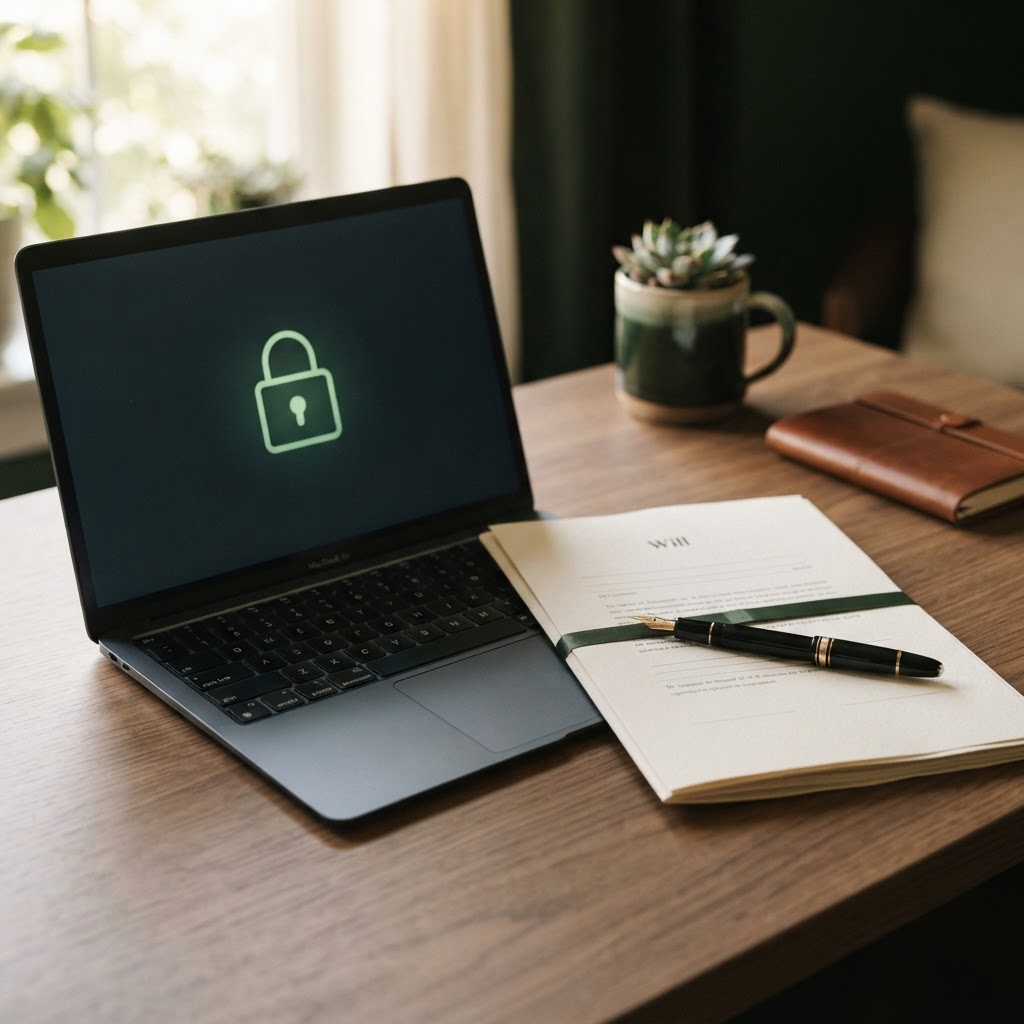
Understanding Digital Assets in Estate Planning
In today's digital world, your estate includes far more than physical property and bank accounts. Digital assets — from cryptocurrency wallets to social media profiles — are increasingly valuable parts of a person's estate. For BC residents, understanding how these assets are treated under the Wills, Estates and Succession Act (WESA) and how to properly plan for them is essential.
What Counts as a Digital Asset?
Digital assets include any online resource or electronically stored item with value or sentimental significance. Common examples include:
- Cryptocurrency: Bitcoin, Ethereum, and other digital currencies held in wallets or exchanges.
- Online investment accounts: Brokerage accounts, PayPal balances, and digital savings platforms.
- Social media accounts: Facebook, Instagram, LinkedIn — some may have memoralization options.
- Email accounts: Personal and professional correspondence that may contain important records.
- Cloud storage: Google Drive, iCloud, Dropbox — which may hold irreplaceable photos, documents, and files.
- Domain names and websites: Online businesses or personal blogs with real commercial value.
- Loyalty and rewards points: Air miles, hotel points, and cashback accounts.
- Digital media libraries: iTunes, Steam games, Kindle books — though many are licensed rather than owned.
The Unique Challenge of Cryptocurrency
Cryptocurrency presents a particularly complex challenge in estate planning. Unlike a bank account, there is no institution to contact if access is lost. Crypto is secured by private keys — long strings of characters that function as the sole password. If your executor cannot locate your private key or seed phrase, the assets may be permanently inaccessible.
Key steps for cryptocurrency holders include:
- Document your holdings: Keep a clear, updated list of all wallets, exchanges (such as Coinbase or Kraken), and approximate values.
- Secure your private keys: Store private keys and seed phrases in a secure location — such as a fireproof safe or safety deposit box — and ensure your executor knows where to find them.
- Provide clear instructions: Your will or a separate memorandum should explain what cryptocurrency you hold and exactly how to access it. Avoid including passwords directly in your will, as wills become public documents upon probate.
- Consider a hardware wallet: Physical devices like Ledger or Trezor can store crypto securely and are easier to transfer to a beneficiary than exchange-held assets.
Be aware that naming a beneficiary for cryptocurrency requires your executor to actually be able to access and transfer those assets — technical literacy matters here.
Online Accounts: What Happens After You Die?
Each online platform has its own terms of service governing what happens to an account after death. Some key examples:
- Google: Has an "Inactive Account Manager" feature that lets you designate a trusted contact to access your data.
- Facebook: Allows you to appoint a "Legacy Contact" to manage your memorialized profile, or request account deletion.
- Apple: Introduced a "Digital Legacy" program allowing trusted contacts to access your Apple account data after death.
- Email providers: Policies vary widely — some will grant access to executors with legal documentation, others will not.
Regardless of platform policies, BC law gives executors broad authority to administer the estate — but practically speaking, platforms may require court orders before granting access.
How to Include Digital Assets in Your BC Will
Under WESA, your will can address digital assets just like any other property. Here are best practices:
- Create a digital asset inventory: Maintain an up-to-date document listing all accounts, platforms, and access instructions. Store it separately from your will in a secure but accessible place.
- Appoint a tech-savvy executor: Choose an executor who is comfortable navigating online platforms and cryptocurrency, or who can hire help to do so.
- Use a separate memorandum: Attach a confidential memorandum to your will (referenced but not part of the will) that contains usernames, passwords, and access instructions. This keeps sensitive data private while ensuring your executor has what they need.
- Be specific in your will: Explicitly name digital asset beneficiaries. Do not assume they will be caught by a residue clause if they are not clearly identified as estate assets.
- Review your beneficiary designations: Some exchange accounts allow direct beneficiary designations — ensure these align with your overall estate plan.
Common Mistakes to Avoid
- Storing passwords inside the will itself (wills are public once probated).
- Failing to tell your executor about crypto holdings — lost keys mean lost assets permanently.
- Assuming family members can access accounts using your device after death — platforms routinely lock accounts on notice of death.
- Forgetting to update your digital inventory when you open new accounts or change passwords.
Get Professional Guidance
Digital asset planning is a rapidly evolving area of law. A wills and estates lawyer at Law Boutique can help you create a comprehensive estate plan that properly addresses your digital life — from cryptocurrency to cloud storage — ensuring nothing of value is left behind or inaccessible to those you leave it to.
This article is for general information only and does not constitute legal advice. Please consult a qualified BC lawyer for advice specific to your situation.